
From bottles and straws to medical stents, plastic is everywhere in our society. Although the rise of plastic resulted from its ease of production, the question now is: what do we do with the estimated 380 million tonnes of waste produced annually? Currently, Dr. Mohammad Arjmand and his research team are exploring solutions, specifically focusing on recycled plastic composites.
This wicked problem was something UBC Okanagan’s Dr. Mohammad Arjmand knew he could help solve. Consequently, he leveraged the varied expertise and state-of-the-art plastic processing equipment available at the university.
“I’ve been working in plastic engineering for almost 15 years. Initially, I was mostly using virgin plastic in my research,” explains the School of Engineering Assistant Professor. “But then I thought, what if I could do the same research with recycled plastic?”
Addressing the Landfill Crisis
Canadians dump 79 per cent of plastics in landfills or natural settings. Therefore, this creates huge social and environmental problems.
“I needed to do something for my community, beyond academia. That’s where the idea first sparked. The reality is that we can’t readily remove plastics from our daily life. However, we can devise solutions to prevent sending so much of it to the landfill,” Dr. Arjmand notes.
The result was the creation of UBCO’s Plastics Recycling Research Cluster. This interdisciplinary team is tackling the problem of plastics from various lenses. Ultimately, their goal is solving the problem from its root source.
A Multi-Disciplinary Approach
“From a psychological perspective, the public needs to be more responsible when it comes to sorting plastics. So, we’re exploring that in the research,” says Dr. Arjmand. “At the same time, my colleagues in the Faculty of Management are working with the government. They aim to make plastic producers responsible for what they’re manufacturing.”
Additionally, Dr. Aleksandra Dulic, an Associate Professor in the Faculty of Creative and Critical Studies, will hold exhibitions. These will show the public how challenging plastic waste is and the initiatives UBCO is taking to address the issue.
Engineering Stronger Recycled Plastic Composites
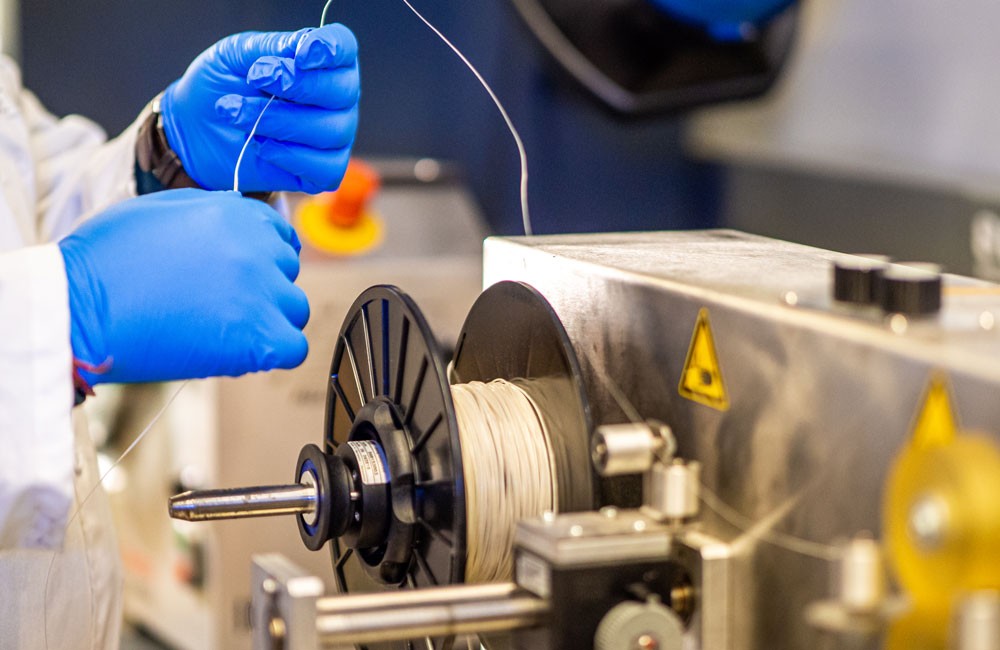
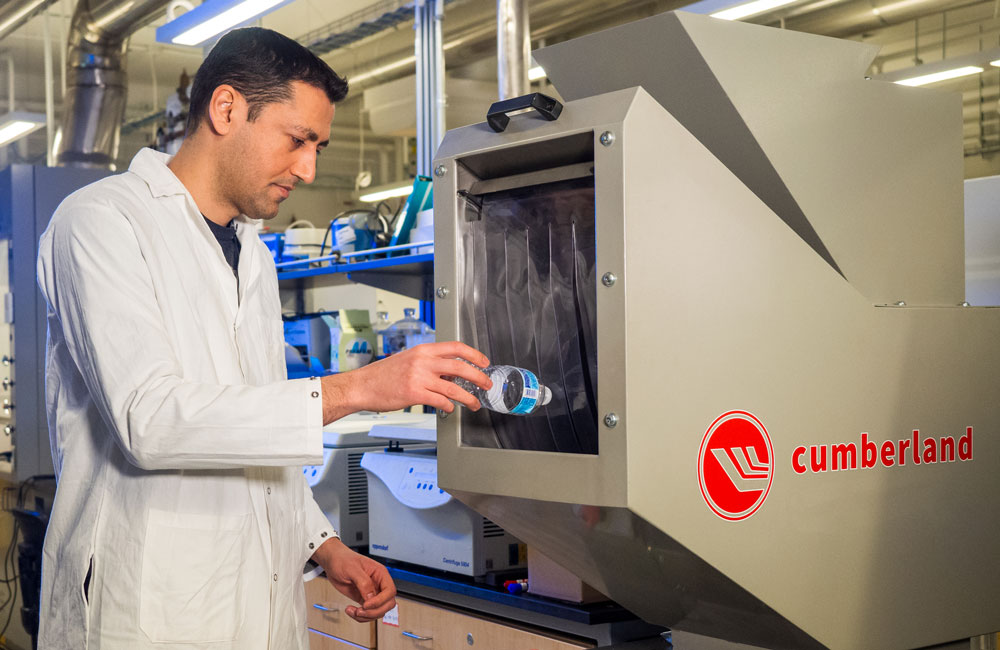
Finally, Dr. Arjmand’s team in engineering will try to give plastics a second life by melting, reshaping, and repurposing them.
“Technically, recycled plastics can never offer physical properties on par with virgin plastics. Therefore, we must add functional additives to improve the new plastic’s physical properties,” he explains. “These additives could make it more mechanically robust, more electrically conductive, or any other property you can think of.”
As part of the project, Dr. Arjmand’s team is working with ABC3D. Together, they are creating recycled plastic composites that can be used in the plumbing and wiring systems of affordable 3D-printed homes in BC’s Kootenay region.
Furthermore, a number of Indigenous communities have also partnered with the researchers. They are providing bio-based materials from forests on their lands. As witnessed in British Columbia year after year, the build-up of this material can lead to massive forest fires. Consequently, the research team is exploring what happens when natural materials are added to plastic waste.

From bottles and straws to medical stents, plastic is everywhere in our society. Although the rise of plastic resulted from its ease of production, the question now is: what do we do with the estimated 380 million tonnes of waste produced annually? Currently, Dr. Mohammad Arjmand and his research team are exploring solutions, specifically focusing on recycled plastic composites.
This wicked problem was something UBC Okanagan’s Dr. Mohammad Arjmand knew he could help solve. Consequently, he leveraged the varied expertise and state-of-the-art plastic processing equipment available at the university.
“I’ve been working in plastic engineering for almost 15 years. Initially, I was mostly using virgin plastic in my research,” explains the School of Engineering Assistant Professor. “But then I thought, what if I could do the same research with recycled plastic?”
Addressing the Landfill Crisis
Canadians dump 79 per cent of plastics in landfills or natural settings. Therefore, this creates huge social and environmental problems.
“I needed to do something for my community, beyond academia. That’s where the idea first sparked. The reality is that we can’t readily remove plastics from our daily life. However, we can devise solutions to prevent sending so much of it to the landfill,” Dr. Arjmand notes.
The result was the creation of UBCO’s Plastics Recycling Research Cluster. This interdisciplinary team is tackling the problem of plastics from various lenses. Ultimately, their goal is solving the problem from its root source.
A Multi-Disciplinary Approach
“From a psychological perspective, the public needs to be more responsible when it comes to sorting plastics. So, we’re exploring that in the research,” says Dr. Arjmand. “At the same time, my colleagues in the Faculty of Management are working with the government. They aim to make plastic producers responsible for what they’re manufacturing.”
Additionally, Dr. Aleksandra Dulic, an Associate Professor in the Faculty of Creative and Critical Studies, will hold exhibitions. These will show the public how challenging plastic waste is and the initiatives UBCO is taking to address the issue.
Engineering Stronger Recycled Plastic Composites
Finally, Dr. Arjmand’s team in engineering will try to give plastics a second life by melting, reshaping, and repurposing them.
“Technically, recycled plastics can never offer physical properties on par with virgin plastics. Therefore, we must add functional additives to improve the new plastic’s physical properties,” he explains. “These additives could make it more mechanically robust, more electrically conductive, or any other property you can think of.”
As part of the project, Dr. Arjmand’s team is working with ABC3D. Together, they are creating recycled plastic composites that can be used in the plumbing and wiring systems of affordable 3D-printed homes in BC’s Kootenay region.
Furthermore, a number of Indigenous communities have also partnered with the researchers. They are providing bio-based materials from forests on their lands. As witnessed in British Columbia year after year, the build-up of this material can lead to massive forest fires. Consequently, the research team is exploring what happens when natural materials are added to plastic waste.